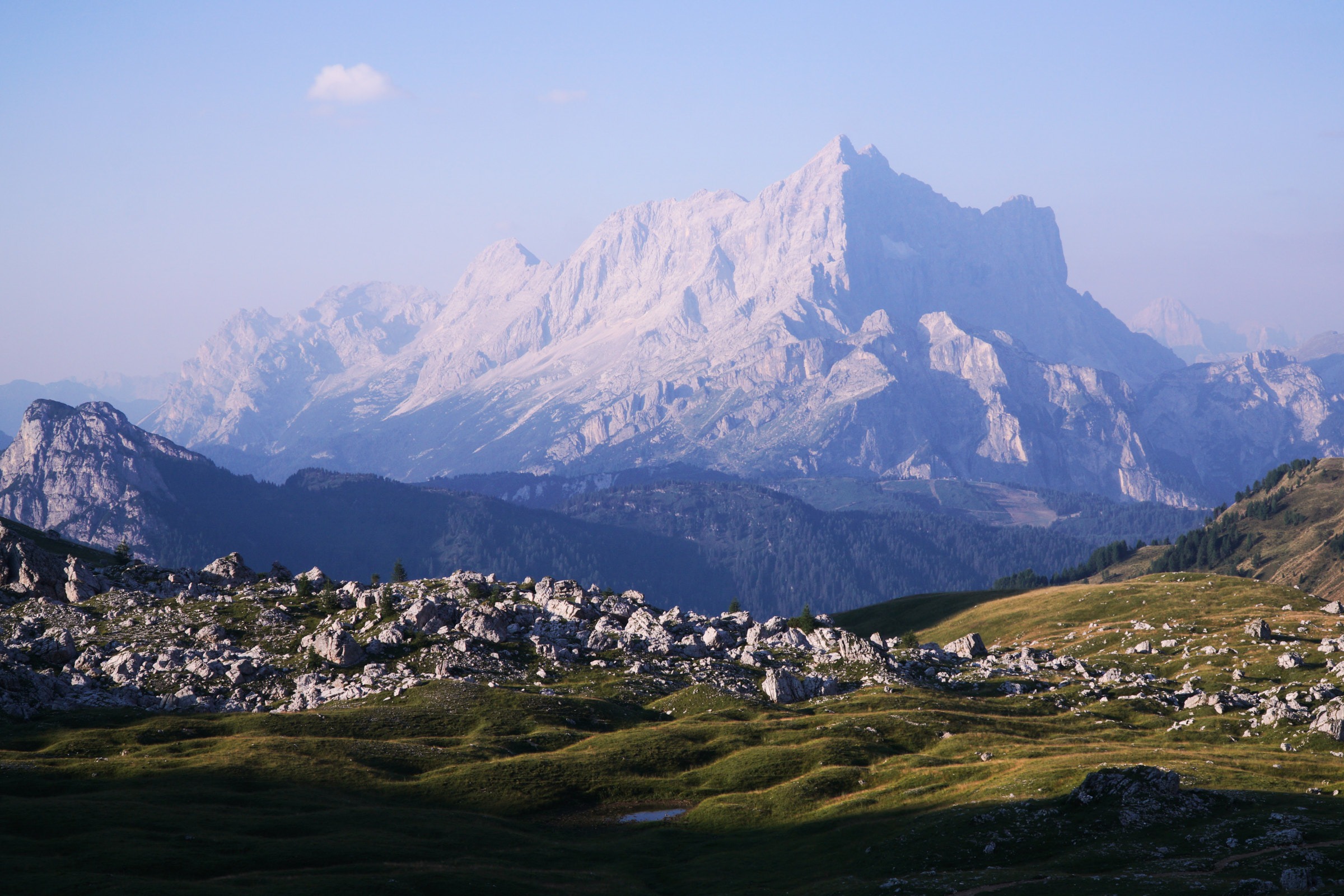
LASTONI DI FORMIN
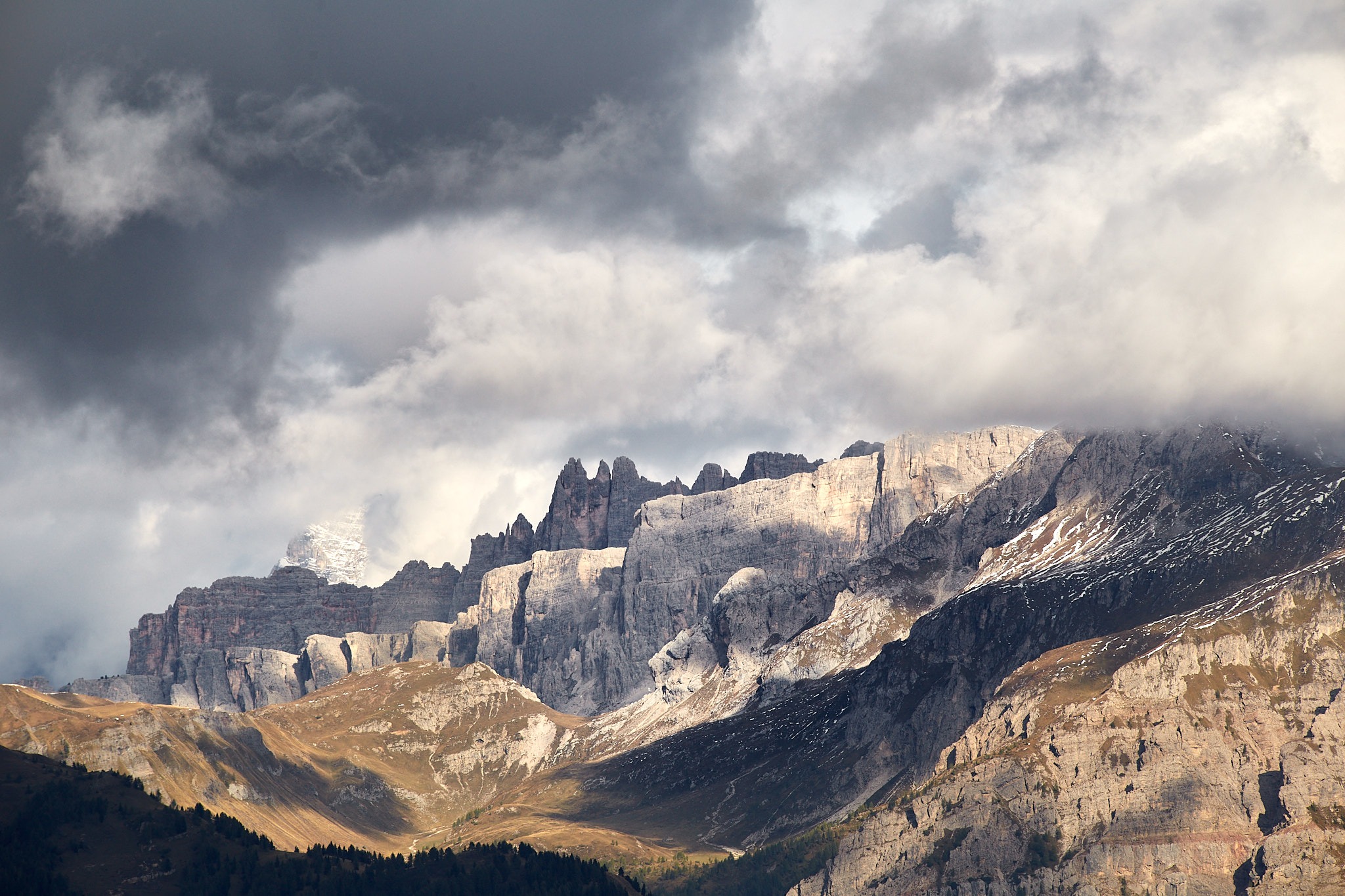
The Lastoni di Formin are located in the Belluno Dolomites, at the foot of Mount Formin, in the southern sector of the Pelmo mountain range, in an area of great scenic and naturalistic value.
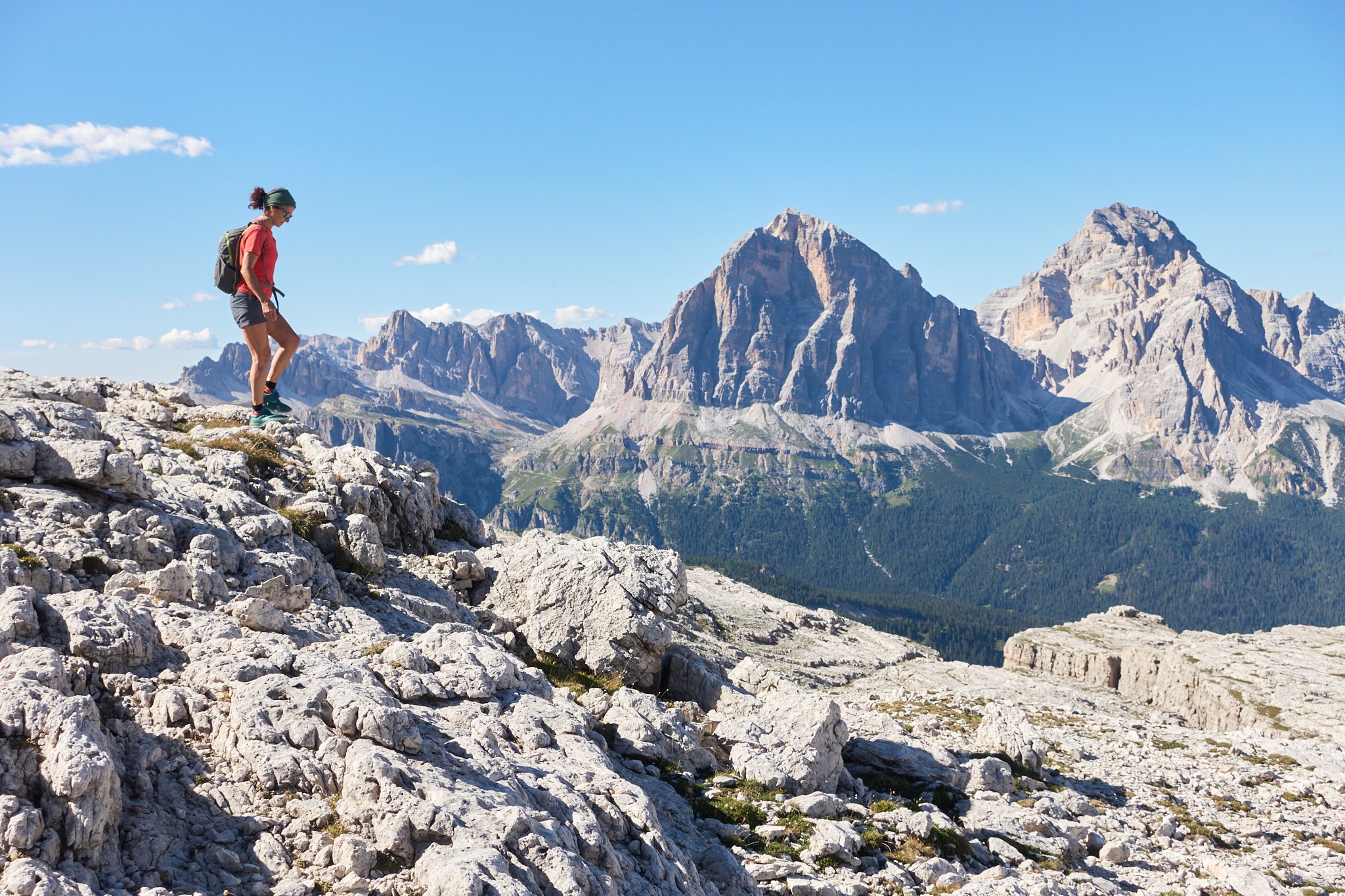
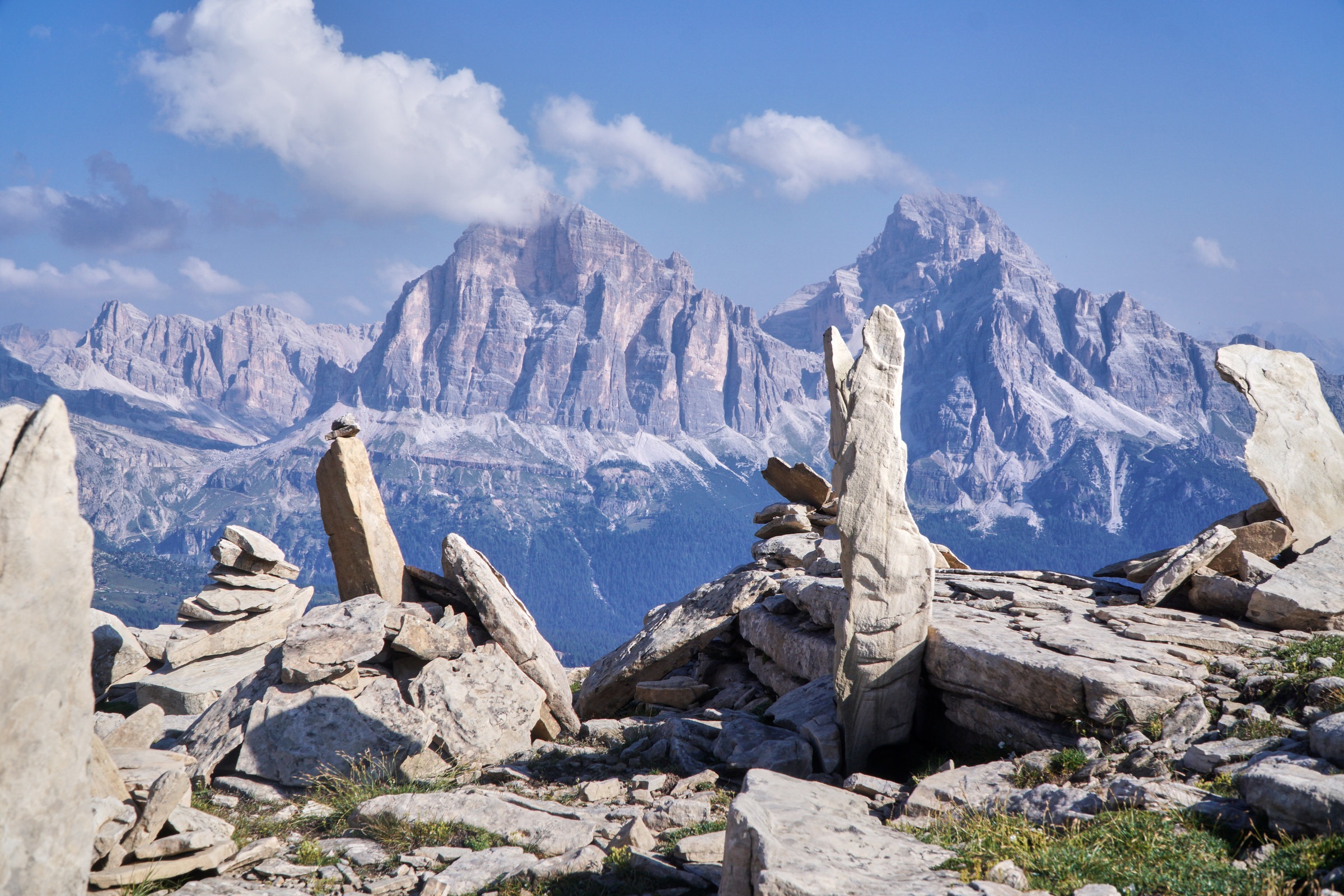
The area is characterized by enormous slabs of dolomite, arranged like fractured and overlapping stone tables. The terrain appears rugged and severe, with sloping surfaces, natural steps, and deep fissures. The vegetation is sparse and composed primarily of high-altitude meadows, lichens, and hardy alpine plants. The wide, open landscape offers a sense of isolation and grandeur, with spectacular views of Pelmo, Civetta, and Croda da Lago.
Main routes
The most common access is from the Giau Pass:
• CAI Trail 436: leads to the Lastoni di Formin through pastures and scree slopes.
• Connections to the Mondeval plateau, famous for its prehistoric archaeological sites.
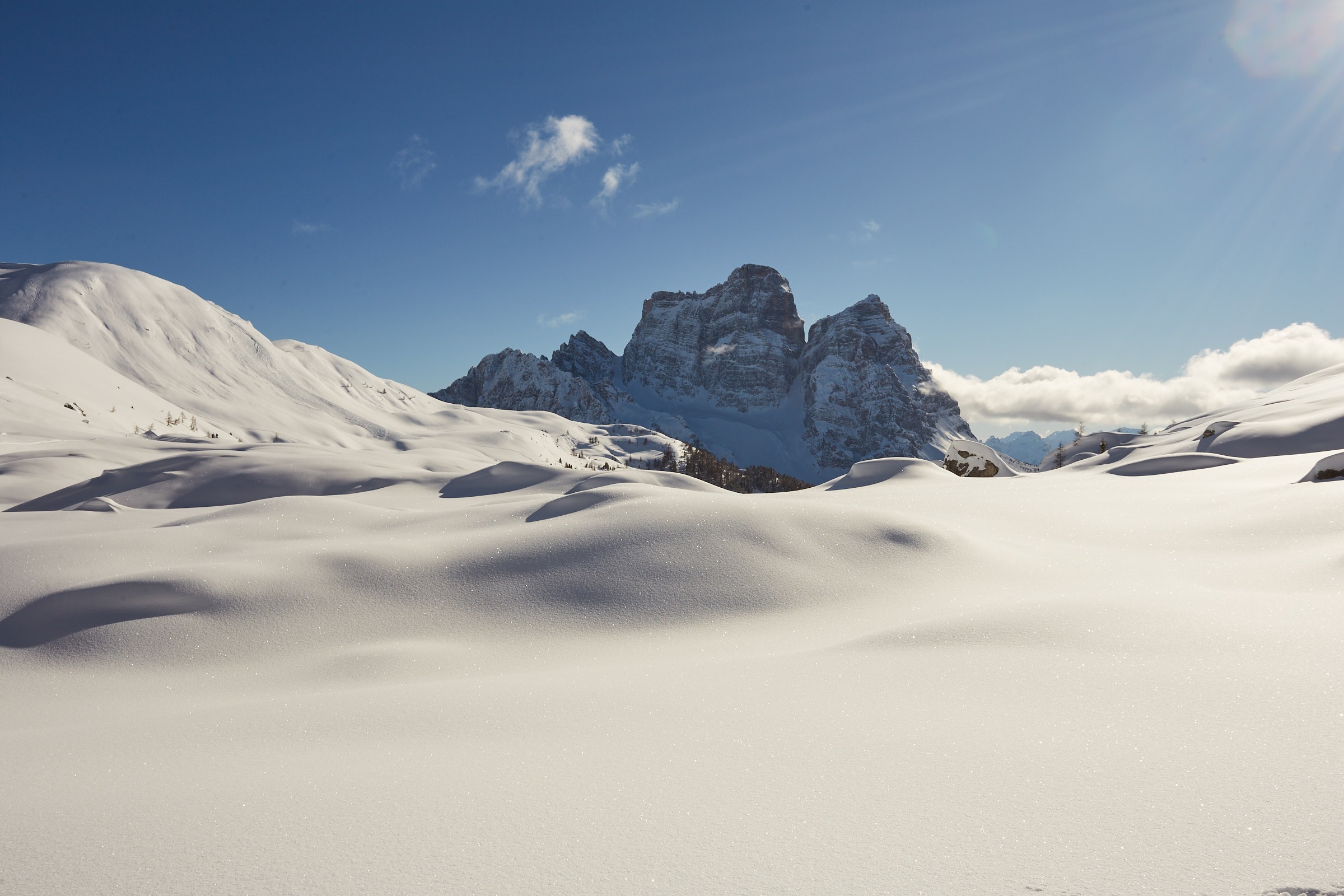
The route does not present any significant technical difficulties, but requires sure-footedness and caution, especially in the presence of rain or residual snow, when the slabs can become slippery.
In some areas of the plateau, deep sinkholes and chasms open up, which can be dangerous if covered in snow or if you don’t follow the tracks.
It’s a quite long excursion both from Giau Pass and from “Rucurto”.
Difficulty and recommendations
• Difficulty: Hiking (E)
• Recommended period: June to September
• Equipment: Boots with good soles, mountain clothing, water (few sources)
• Caution: Orientation in case of fog, exposure to sun and wind
Historical and naturalistic interest
The Lastoni di Formin are part of an area of great geological and archaeological importance. The famous Mondeval Man, dating back to the Mesolithic period, was discovered near Mondeval, evidence of ancient human settlement at this altitude.
A hike to the Lastoni di Formin is ideal for those seeking authentic Dolomite landscapes, far from the crowded trails, in an environment that combines nature, history, and silence.